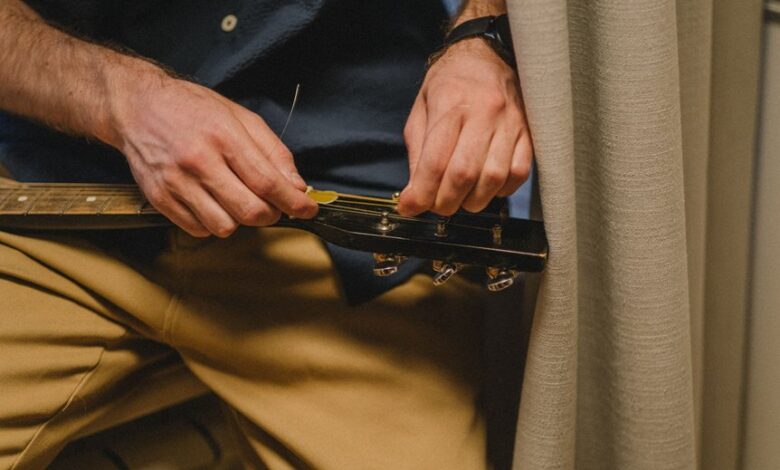
Restringing a guitar cost varies with instrument type, string brand, and method, from a simple DIY swap to a professional setup. Electric sets are usually cheaper than acoustic or classical, and additional work—nut adjustments, winding quality, or tremolo tweaks—can raise the bill. Locking tuners and post-setup impedance factor into time and expense. Regular maintenance preserves tone and playability, yet the timing of a full setup can hinge on symptoms beyond a plain string change, leaving the question open for the next step.
How Restringing Costs Vary by Guitar Type
Restringing costs vary notably by guitar type due to differences in string tension, scale length, and bridge/configuration. The analysis centers on material compatibility, post-tension settling, and instrument-specific nut slots. Precision maintenance applies: torque, winding technique, and fretboard conditioning influence outcomes. Budget alignment considers branding accessories and guitar maintenance practices, ensuring consistent tone preservation and long-term stability across diverse instrument families.
String Options and Their Price Pointers
String options influence tension, durability, and tone, with price reflecting material composition, winding quality, and the intended playing lifespan.
Cable-like? No, strings differ in string materials and gauge options, affecting stiffness and feel.
Winding styles alter harmonic response and tension distribution.


Accurate gauge selection, combined with noted string tension ranges, clarifies maintenance cycles and pricing pointers for varied playing styles.
DIY vs. Professional Setup: What You’ll Pay
When considering costs, the shift from DIY stringing to professional setup hinges on instrument condition, time investment, and the complexity of the chosen service.
A professional entails exacting labor, instrument calibration, and materials assessment.
Differences emerge with new material choices, vintage necks, old hardware, and modern frets; each factor dictates precision, scheduling, and overall value for a freedom-seeking guitarist.
When a Fresh String Change Isn’t Enough: Signs for a Full Setup
A full setup becomes warranted when a fresh string change fails to restore optimal playability or intonation, signaling underlying issues beyond strings alone.
The detector is consistent stiffness, buzzing, or saddle misalignment, indicating truss, nut, or heel concerns.
Re stringing myths appear when assumptions replace inspection; emphasis falls on setup timing, not merely strings, to achieve precise action, intonation, and reliable performance.
Frequently Asked Questions
Do Nut and Saddle Adjustments Influence Restringing Cost?
Nut adjustment and saddle replacement can marginally affect restringing cost, since precise setup may require extra time. The process itself remains standard; adjustments influence intonation, tension, and playability, aligning with uneven neck relief and string height considerations.
How Do Fretboard Conditioning Costs Affect Total Price?
Fretboard conditioning costs are modest, yet can balloon if fretboard wear is severe or lacquer compatibility is problematic. The technician details procedures, calibrates moisture, and documents outcomes, ensuring precise results while preserving freedom in playability and tonal response.
Will Electronics Work Affect the Price When Restringing?
Electronics impact can affect the restringing price, as active components may require calibration. On-site charges apply for assessments or adjustments. The approach remains precision-based and technique-focused, detailing work steps while respecting the guitarist’s preference for autonomy.
Are Antique or Vintage Guitars More Expensive to Restring?
Antiqued instruments often command higher artisanal costs for restringing, reflecting preserved vintages and craftsmanship; however, overall price sensitivity remains, balancing durability with meticulous setup. The process considers vintage value, yet individual condition governs final expenses.
Does Travel or On-Site Service Incur Extra Charges?
Glimmers of pavement whisper: travel charges apply, and on site service incurs extra fees. The technician maintains precision, detailing nut width, string tension, and setup. This freedom-minded service prioritizes accuracy, ensuring instrument resonance remains intact during on-location restringing sessions.
Conclusion
Restringing costs hinge on guitar type, string choice, and who does the work. Electric sets typically come cheaper than acoustic or classical, with DIY reducing labor charges but risking tuning stability or winding quality. Professional setups add value when nut adjustment, intonation, or tremolo quirks are involved. Even minor maintenance—cleaning, fret polish, fretboard conditioning—extends instrument life and tone. Like fine clockwork, a proper restring synchronizes strings, neck, and bridges, keeping rhythm precise and resonance clear. A well-tuned guitar sings.