The 1994 Brazil run marked a turning point for large-scale touring. Rod Stewart commanded vast venues with a precise mix of stagecraft, lighting, and sound, delivering a sense of intimacy amid spectacle. The spectacle, in turn, echoed across generations, shaping a shared memory that feels both monumental and personal. The footprint of those shows invites reflection on what live performance can become when momentum and audience connection converge—a question that remains worth pursuing.
What Made the 1994 Brazil Run a Record-Breaker
Several factors converged to propel the 1994 Brazil leg into record territory: a newly expanded tour schedule, Brazil’s passionate concert culture, and Rod Stewart’s enduring appeal across generations. The run generated candid memories through intimate encounters and crowd energy, while media impact amplified anticipation and social chatter. Observers note precise logistics, timed promotions, and a climate favorable to a landmark, enduring performance legacy.
The Stage, Set, and Sound: How It Felt Live
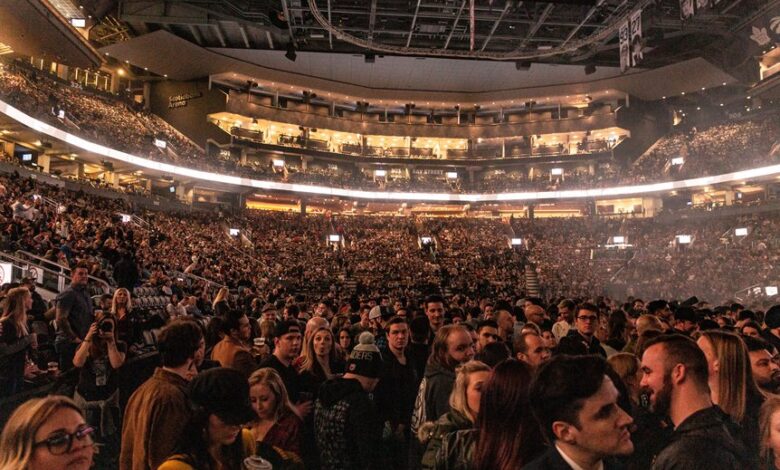
The stage presented a commanding presence, with lighting that stitched the arena into dusk and dawn at will, while a robust音 system filled seats with clear, guitar-driven immediacy.
The stagecraft underwrote a focused performance, shaping a cohesive soundscape that kept pace with Rod Stewart’s phrasing. Detachment aside, observers felt a live texture—gritty, immersive, unmistakably electric, and unhurried.
The Cultural Ripple: Generations United by Rod Stewart
Across arenas and generations, Rod Stewart’s Brazil 1994 performance resonated beyond the moment, stitching together fans who might otherwise never cross paths. The cultural ripple extended through diverse ages, prompting conversations, shared playlists, and unexpected collaborations. Generations unite in memory and music, as contemporary listeners discover parallels with past scenes. The event marks a discreet, lasting social ripple rather than a singular spectacle.


Legacy and Lessons: Why 1994 Still Resonates Today
Whether the 1994 Brazil concert is remembered for its spectacle or its subtleties, the event endures as a touchstone for how live performance can shape collective memory.
Legacy here is measured by nostalgic echoes and the imprint of audience energy, a reminder that bold shows become ritualized landmarks, teaching future artists and fans to trust spontaneity, tempo, and shared breath.
Frequently Asked Questions
What Were the Backup Plans for Brazil Weather During the Tour?
Backup plans for Brazil weather focused on contingency scheduling and rain-ready logistics. Event planners prioritized shelter and drainage, with flexible timing and venue options. Tour logistics emphasized weather monitoring, portable cover systems, and rapid response to shifting conditions.
How Did Rod Stewart Tailor Performances for Brazilian Audiences?
Rodinton tailoring emerged as Rod Stewart adjusted setlists and pacing for Brazilian audiences, prioritizing energetic tracks and crowd interaction. The approach reflected sensitivity to tempo shifts and theatricality, with Brazilian audiences delivering vibrant reception and encouraging spontaneous improvisational moments.
Were There Any Notable On-Tour Crew Stories or Mishaps?
On tour anecdotes include a few light mishaps, noted by crew as Brazil weather contingencies altering stage timing. The on-tour atmosphere remained professional, with improvisations documented but rarely dramatic, reflecting adaptability and collective focus amid humid, dynamic arena conditions.
How Did Local Media Influence the Tour’s Global Image?
Local media shaped the tour’s global image by framing performances as cinematic milestones, while scrutinizing logistics and attendance. The coverage influenced public perception, balancing spectacle with controversy, and offered a persuadable narrative for audiences seeking freedom in rock lore.
What Lasting Charity or Community Impacts Emerged From the 1994 Shows?
Charitable partnerships and community outreach emerged, leaving measurable but modest legacies. Coordinated efforts mobilized local organizations, providing ongoing support and visibility beyond performances, while volunteers cultivated sustained engagement, fostering goodwill and demonstrating a model for future philanthropy in touring.
Conclusion
The 1994 Brazil run stands as a benchmark in live spectacle, a convergence of magnitude and intimacy. In Rio’s heat, a single cue—Stewart’s grin—set a ripple through 3.5 million ears. A stadium exhaled in unison, like a single heart beating in time. The data-point, the dozen-plus arena dates, becomes a metaphor: scale without dilution. Generations recognized a shared ritual, where spontaneity and momentum forged memory, and legacy lingered long after the final encore.